
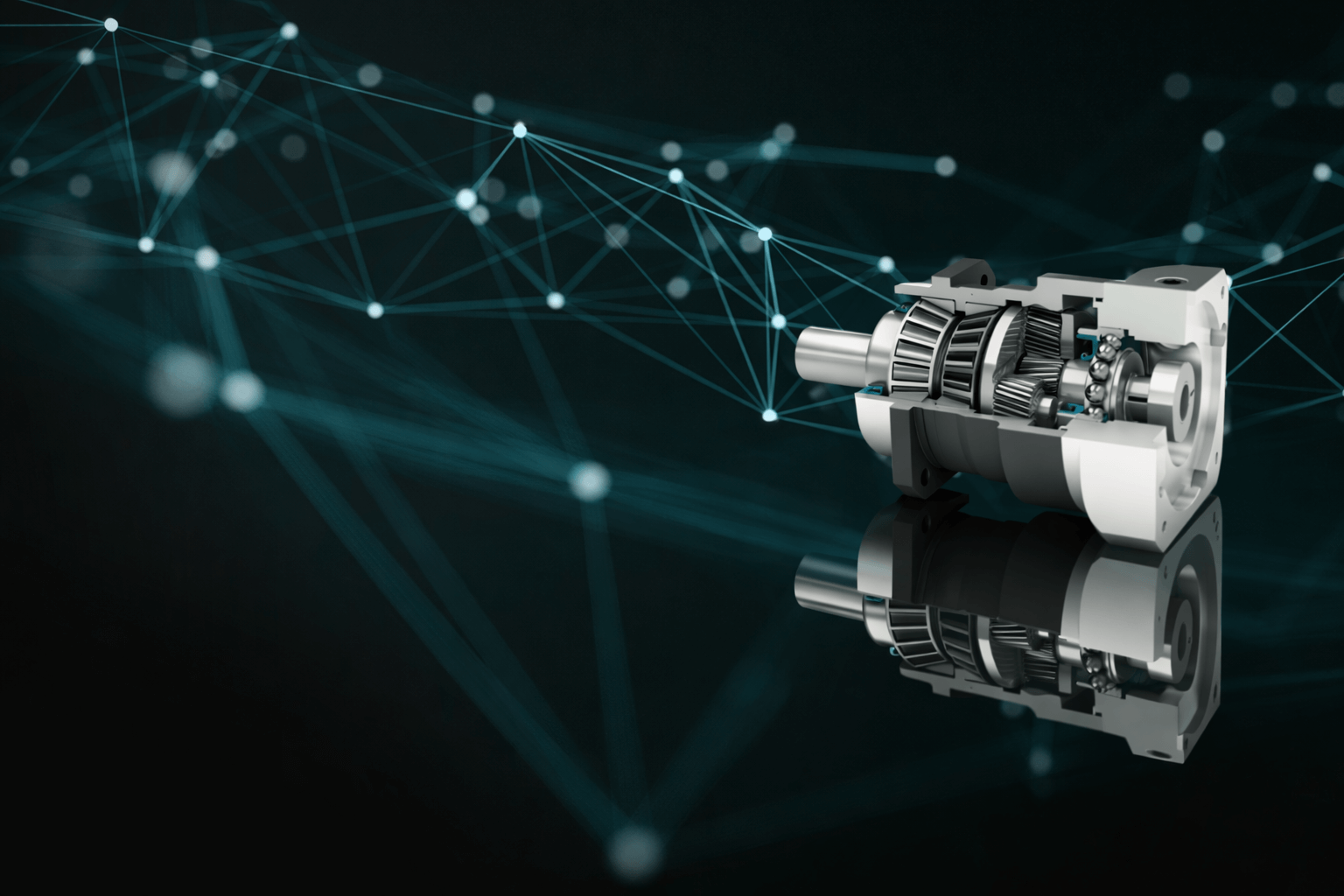
Helical Planetary Gearboxes: A Comprehensive Guide
A helical planetary gearbox combines the compact geometry of a planetary gearbox with the refined tooth engagement of helical gears. The result is a high-performance, high precision solution for demanding motion control systems requiring smooth operation, low backlash, and high torque density.
This guide explains how a helical planetary gearbox works, where it excels, how it compares to spur alternatives, and how to evaluate lifecycle costs—so you can confidently select the right planetary gearbox for your application.
Core Components
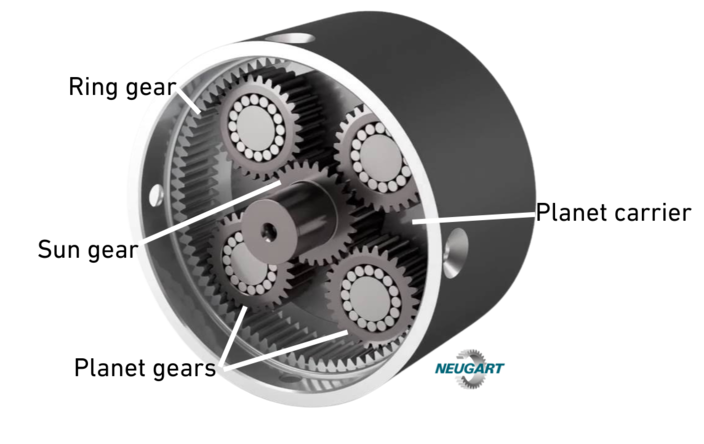
A typical planetary gearbox consists of:
-
Sun Gear – The central driving gear connected to the motor shaft
-
Planet Gears – Multiple gears that revolve around the sun gear
-
Ring Gear – The outer gear with internal teeth that mesh with the planet gears
-
Carrier – Holds the planet gears in position
-
Bearings – Often needle roller bearings for radial load support
In a helical planetary gearbox, these gears feature a helix angle—the angle between the gear tooth and the gear axis.
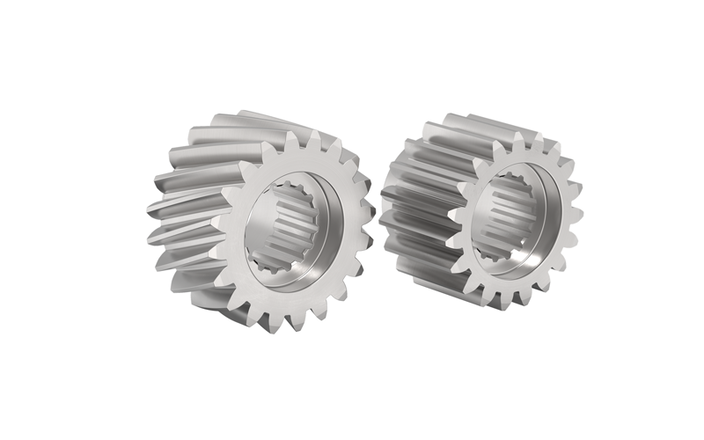
The difference between a standard planetary gearbox and a helical planetary gearbox lies in the tooth geometry of the gears. Straight (spur) gears use teeth that run parallel to the gear axis, while helical gears feature teeth cut at an angle.
Helical gears use angled teeth that engage gradually rather than all at once. This results in smoother operation, reduced noise, and improved load distribution compared to straight-tooth (spur) gears.
On the left is an example of a helical gear pinion (left) and a spur gear (right).
Key Technical Terms
-
Gear Ratio: The ratio of input speed to output speed (e.g., 10:1). Determines speed reduction and torque multiplication.
-
Backlash: The play or clearance between meshing gears, measured in arcminutes. Critical in high precision systems.
-
Torque Density: Torque output relative to size and weight.
-
Contact Ratio: The average number of teeth in contact at any time. Helical gears increase this ratio.
-
Axial Force: Force acting along the shaft axis.
-
Radial Force: Force acting perpendicular to the shaft axis.
Applications of Helical Planetary Gearboxes
Helical planetary gearboxes are widely used in:
-
Robotics – High precision, low backlash, and smooth operation improve repeatability
-
CNC Machines – Stable torque transmission and minimal vibration
-
Conveyors – Efficient speed reduction and consistent high torque output
-
Automotive Transmissions – Compact planetary gearbox layouts enable efficient power transmission
-
Aerospace Systems – Lightweight, high torque density solutions
-
Industrial Machinery – Packaging, printing, and automation systems
-
Medical Equipment – Quiet operation for sensitive environments
-
Wind Turbines – Planetary gear systems used for high torque conversion
For compact automation systems, explore Neugart’s small planetary gearbox solutions.
Advantages of Helical Planetary Gearboxes
Helical planetary gearboxes are widely selected in precision and high-performance systems due to their refined motion characteristics, compact power density, and reliable load distribution.
1. Smooth, Quiet, and Precise Motion
The gradual tooth engagement of helical gears increases contact ratio, resulting in smoother operation and reduced vibration compared to spur planetary gearbox designs. This leads to lower noise levels and improved motion quality. Helical planetary gearboxes can also achieve low backlash and high precision output, improving repeatability in servo applications such as CNC machines, robotics, and pick-and-place systems.
For applications requiring especially tight positioning accuracy, Neugart’s precision gearboxes are designed to meet demanding motion control requirements.
2. High Torque Density in a Compact Design
Planetary gearboxes are known for high torque density due to load sharing across multiple planet gears. Helical planetary gearboxes maintain this advantage while improving motion refinement. The coaxial planetary layout enables high torque transmission within a compact footprint, making these gearboxes ideal for space-constrained machinery where both performance and size matter.
3. High Efficiency and Optimized Power Transmission
Modern planetary gearbox designs achieve efficiencies above 95% per stage. While helical gearing introduces slightly more sliding friction than spur gears, overall efficiency remains high in speed reduction and torque multiplication applications. This supports energy-efficient power transmission in automated and continuous-duty systems.
4. Improved Load Distribution and Durability
The increased contact ratio of helical gears distributes load across multiple teeth simultaneously, reducing localized stress and improving long-term durability. When properly lubricated and correctly sized for the application, helical planetary gearboxes offer reliable operation under continuous and high torque conditions.
How Helical Gears Influence Performance
Unlike spur gears (straight teeth), helical gears engage gradually. This overlapping engagement increases the contact ratio and distributes load across multiple teeth. The benefits include:
-
Smoother power transmission
-
Reduced vibration
-
Lower noise
-
Improved high precision positioning
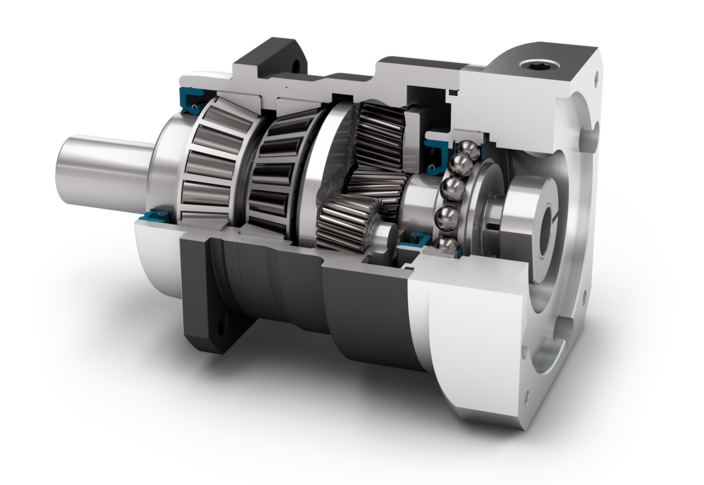
However, helical gears generate axial force, requiring more robust bearing arrangements.
Comparison & Characteristics
| Performance Factor | Helical Planetary Gearbox | Spur Planetary Gearbox | When to Choose |
|---|---|---|---|
| Noise Level | Low | Moderate to High | Helical for noise-sensitive systems |
| Smooth Operation | Excellent | Good | Helical for precision motion |
| High Torque Capacity | Moderate (per size) | Higher (per size) | Spur for maximum load |
| Backlash | Low backlash available | Low backlash available | Both suitable for servo |
| Axial Force | Present | Minimal | Spur for simpler bearing setup |
| Initial Cost | Higher | Lower | Spur for budget projects |
| Lifecycle Cost | Competitive in precision systems | Lower in heavy-load systems | Depends on application |
| Performance Factor | Helical Planetary Gearbox | Spur Planetary Gearbox | When to Choose |
|---|---|---|---|
| Noise Level | Low | Moderate to High | Helical for noise-sensitive systems |
| Smooth Operation | Excellent | Good | Helical for precision motion |
| High Torque Capacity | Moderate (per size) | Higher (per size) | Spur for maximum load |
| Backlash | Low backlash available | Low backlash available | Both suitable for servo |
| Axial Force | Present | Minimal | Spur for simpler bearing setup |
| Initial Cost | Higher | Lower | Spur for budget projects |
| Lifecycle Cost | Competitive in precision systems | Lower in heavy-load systems | Depends on application |
| Performance Factor | Helical Planetary Gearbox | Engineering Impact |
|---|---|---|
| Gear ratio range | Wide range via single or multi-stage design (e.g., 3:1 to >100:1) | Enables flexible speed reduction and torque multiplication across applications |
| Torque density | High torque relative to size due to load sharing among planet gears | Allows compact machine layouts without sacrificing output power |
| Backlash | Low backlash configurations available (often <10 arcmin, precision versions lower) | Improves positioning accuracy and repeatability in servo systems |
| Smooth operation | Continuous tooth engagement due to helix angle increases contact ratio | Reduces vibration, improves motion quality, extends component life |
| Efficiency | Typically 95–98% per stage depending on lubrication and load | Minimizes energy losses in power transmission systems |
| Axial force | Generates axial force due to anglular tooth geometry | Requires thrust-capable bearings and proper housing support |
| Noise level | Lower noise than spur planetary gearbox designs | Suitable for robotics, medical equipment, and noise-sensitive environments |
| Performance Factor | Helical Planetary Gearbox | Engineering Impact |
|---|---|---|
| Gear ratio range | Wide range via single or multi-stage design (e.g., 3:1 to >100:1) | Enables flexible speed reduction and torque multiplication across applications |
| Torque density | High torque relative to size due to load sharing among planet gears | Allows compact machine layouts without sacrificing output power |
| Backlash | Low backlash configurations available (often <10 arcmin, precision versions lower) | Improves positioning accuracy and repeatability in servo systems |
| Smooth operation | Continuous tooth engagement due to helix angle increases contact ratio | Reduces vibration, improves motion quality, extends component life |
| Efficiency | Typically 95–98% per stage depending on lubrication and load | Minimizes energy losses in power transmission systems |
| Axial force | Generates axial force due to angled tooth geometry | Requires thrust-capable bearings and proper housing support |
| Noise level | Lower noise than spur planetary gearbox designs | Suitable for robotics, medical equipment, and noise-sensitive environments |
How to Select the Right Planetary Gearbox
-
Define required gear ratio
-
Calculate required high torque output
-
Evaluate noise requirements
-
Consider right angle vs inline configuration
-
Assess backlash and high precision needs
-
Request CAD models from your helical planetary gearbox supplier
Explore Neugart’s full gearbox portfolio including:
Frequently Asked Questions
Yes. Planetary gears can use helical gears instead of spur gears. Helical gearing increases contact ratio, improves smooth operation, and reduces noise, but introduces axial force that must be managed with appropriate bearings.
A helical planetary gearbox typically lasts 20,000 to 30,000+ operating hours under proper loading and lubrication conditions. Service life depends on torque levels, duty cycle, lubrication quality, operating temperature, and alignment. Applications with continuous high torque, poor lubrication, or excessive axial load may reduce lifespan, while correctly sized gearboxes operating within rated limits can exceed expected service life.
They typically cost more upfront than spur planetary gearbox designs but may offer lower lifecycle cost in precision or noise-sensitive applications.
Their compact geometry, high torque density, and low backlash make them ideal for robotics, CNC systems, and advanced automation.
When selecting a helical planetary gearbox, engineers must consider axial forces generated by the helix angle, bearing capacity, required gear ratio, torque density, and backlash requirements. Helical gears increase contact ratio for smooth operation but introduce axial load, requiring thrust-capable bearings. Proper lubrication, material hardness, mounting orientation, and application load type (shock vs continuous) also significantly impact durability and performance.
A helical planetary gearbox may not be the best choice in applications requiring maximum load capacity per frame size, high shock resistance, or the lowest initial cost. Because helical gears generate axial force, they require more complex bearing support. In heavy-duty or impact-loaded systems where noise is not critical, a spur planetary gearbox may offer higher load capacity and longer service life.
Find Your Helical Gearbox
A helical planetary gearbox offers a compelling combination of high torque, smooth operation, high precision, and compact design. While it may cost more than a spur planetary gearbox, its performance advantages often justify the investment in demanding applications.
When selecting a planetary gearbox, evaluate total lifecycle cost—not just purchase price.
For application support, CAD models, or a quote, contact Neugart—your trusted helical planetary gearbox supplier.
Find a Helical Gearbox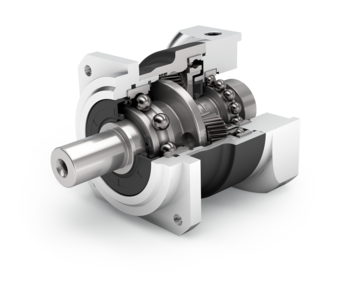
Configure your gearbox here
We have developed the Tec Data Finder (TDF) so that you can configure a planetary gearbox for your needs with just a few clicks. The TDF will provide you with all relevant data, technical information and CAD models. Matched to your motor's flange, ensuring a perfect fit.

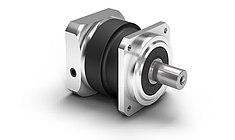
 PSNpro
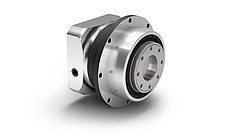
 PSBNpro
 PSFNpro
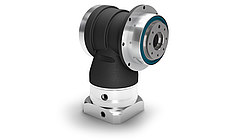 WPSFN
WPSFN
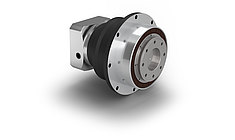 NDFC
NDFC
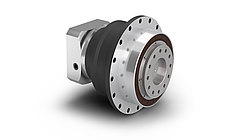 NDF
NDF
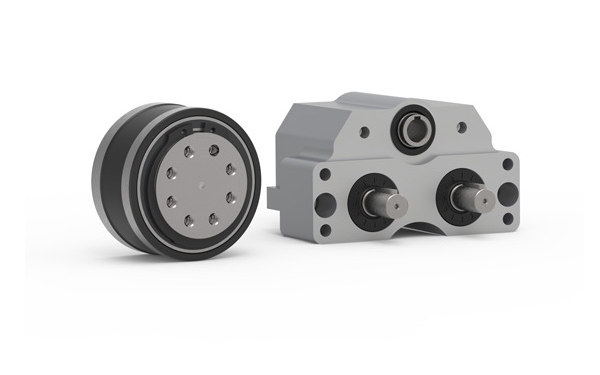 Custom gearboxes
Our experienced engineers always find the optimal solution for your application. No matter what the special requirements of your application, we can develop a custom made gearbox to match your needs.

Let's stay in touch
Subscribe to our newsletter
Be the first to know about new products, trade shows, training dates and stay up to date.
SubscribeSocial Media